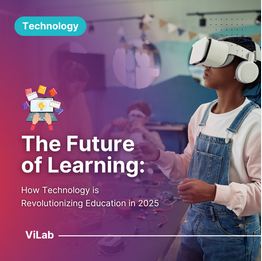
Education has changed dramatically over the last decade. Traditional classrooms with chalkboards and printed textbooks are rapidly evolving into smart learning environments powered by technology. Today, students can attend classes online, access digital libraries, interact with teachers through virtual platforms, and even learn with the help of Artificial Intelligence (AI). Technology is not only improving access to education but also making learning more personalized, interactive, and effective.
The future of learning is being shaped by innovations such as AI, Virtual Reality (VR), Augmented Reality (AR), cloud computing, and online learning platforms. These technologies are revolutionizing education systems around the world and creating opportunities for learners of all ages. Platforms like Unacademy have already transformed online education in India by offering live classes, recorded lessons, and interactive learning experiences to millions of students.
The Rise of Online Learning
One of the biggest transformations in education is the rise of online learning. Earlier, students had to physically attend schools or coaching institutes to gain knowledge. Today, they can learn from anywhere in the world using smartphones, tablets, or laptops. Online education platforms provide flexibility and convenience, allowing students to learn at their own pace.
The COVID-19 pandemic accelerated the adoption of digital education globally. Schools, colleges, and universities shifted to virtual classrooms, making online learning a necessity rather than an option. Since then, many institutions have continued to use hybrid learning models that combine online and offline teaching methods.
Online learning offers several advantages:
- Flexible schedules for students
- Access to global educators and courses
- Cost-effective education
- Interactive digital content
- Easy access to recorded lectures and notes
Educational platforms now provide live classes, quizzes, doubt-solving sessions, and performance tracking systems to improve learning outcomes. According to Unacademy, millions of learners use digital platforms daily for competitive exam preparation and skill development.
Artificial Intelligence in Education
Artificial Intelligence is becoming one of the most powerful technologies in modern education. AI-based tools can analyze student performance, identify strengths and weaknesses, and provide personalized learning experiences.
For example, AI-powered learning platforms can recommend study materials based on a student’s progress. Chatbots and virtual tutors are also helping students solve doubts instantly without waiting for teachers. AI can automate administrative tasks such as grading assignments, managing attendance, and tracking student progress, allowing teachers to focus more on teaching.
Some key benefits of AI in education include:
- Personalized learning paths
- Instant feedback and assessment
- Smart content recommendations
- Automated grading systems
- Virtual tutoring support
AI is making education smarter, faster, and more efficient for both students and teachers.
Virtual Reality and Augmented Reality
Virtual Reality (VR) and Augmented Reality (AR) are transforming classrooms into immersive learning environments. These technologies make education more engaging by allowing students to experience concepts visually and interactively.
For example, medical students can perform virtual surgeries, history students can explore ancient civilizations, and science students can conduct virtual laboratory experiments. Instead of simply reading about concepts in textbooks, students can now experience them in real-time simulations.
Benefits of VR and AR in education include:
- Improved student engagement
- Better understanding of complex topics
- Interactive and practical learning
- Enhanced memory retention
- Safe virtual experimentation
As VR and AR technologies become more affordable, they are expected to play a major role in future classrooms.
Cloud Computing and Digital Resources
Cloud computing has made educational resources more accessible than ever before. Students and teachers can store, share, and access files online from any device. Platforms such as Google Classroom, Microsoft Teams, and other cloud-based tools have simplified collaboration and communication in education.
Digital libraries and e-books are replacing traditional printed textbooks. Students can now access thousands of educational resources online instantly. Cloud technology also supports remote learning by enabling real-time video conferencing, assignment submissions, and collaborative projects.
Advantages of cloud-based education include:
- Easy access to study materials
- Improved collaboration between students and teachers
- Reduced dependence on physical infrastructure
- Secure storage of academic data
- Better accessibility for remote learners
Cloud computing is helping educational institutions become more efficient and technologically advanced.
Gamification in Learning
Gamification is another important trend revolutionizing education. Educational apps and platforms now use game-like elements such as rewards, badges, leaderboards, and challenges to motivate students.
Gamified learning makes education fun and interactive. It improves student participation and encourages healthy competition. Many language learning apps, coding platforms, and educational games use gamification techniques to increase engagement and retention.
Benefits of gamification include:
- Increased student motivation
- Better concentration and participation
- Improved learning outcomes
- Interactive learning experiences
- Enhanced problem-solving skills
This modern approach is especially effective for younger students who enjoy interactive digital experiences.
The Importance of Digital Skills
As technology continues to evolve, digital skills are becoming essential for future careers. Educational institutions are now focusing on teaching coding, digital marketing, data analysis, cybersecurity, and other technology-related subjects.
Digital literacy is no longer optional. Students need to understand how to use technology responsibly and effectively. Many online learning platforms now offer skill-based courses to prepare students for the future job market.
Educational institutions are also integrating STEM education (Science, Technology, Engineering, and Mathematics) into their curriculums to encourage innovation and critical thinking.
Challenges of Technology in Education
Although technology offers many advantages, it also comes with challenges. Not all students have access to high-speed internet, digital devices, or advanced learning tools. The digital divide remains a major issue in many developing regions.
Other challenges include:
- Screen addiction and reduced physical activity
- Data privacy concerns
- Cybersecurity risks
- Lack of teacher training in technology
- Reduced face-to-face interaction
To fully benefit from educational technology, governments and institutions must ensure equal access to digital resources and proper teacher training.
The Future of Smart Education
The future of education will likely involve highly personalized and technology-driven learning systems. AI tutors, virtual classrooms, smart devices, and adaptive learning platforms will continue to improve the learning experience.
Future classrooms may include:
- AI-powered teaching assistants
- Fully immersive VR learning environments
- Smartboards and connected devices
- Personalized digital learning plans
- Blockchain-based academic certifications
Technology will not replace teachers completely, but it will enhance their ability to educate and support students more effectively.
Conclusion
Technology is revolutionizing education in ways that were unimaginable a few decades ago. From online learning and AI-powered tutoring to VR classrooms and cloud-based education, digital innovation is shaping the future of learning. Students today have greater access to knowledge, better learning tools, and more opportunities to develop important skills for the future.
While challenges such as digital inequality and cybersecurity still exist, the benefits of educational technology are undeniable. As technology continues to evolve, education will become more accessible, engaging, and personalized for learners worldwide.
The future of learning is digital, interactive, and innovative. Those who embrace technology in education will be better prepared for the opportunities and challenges of tomorrow.