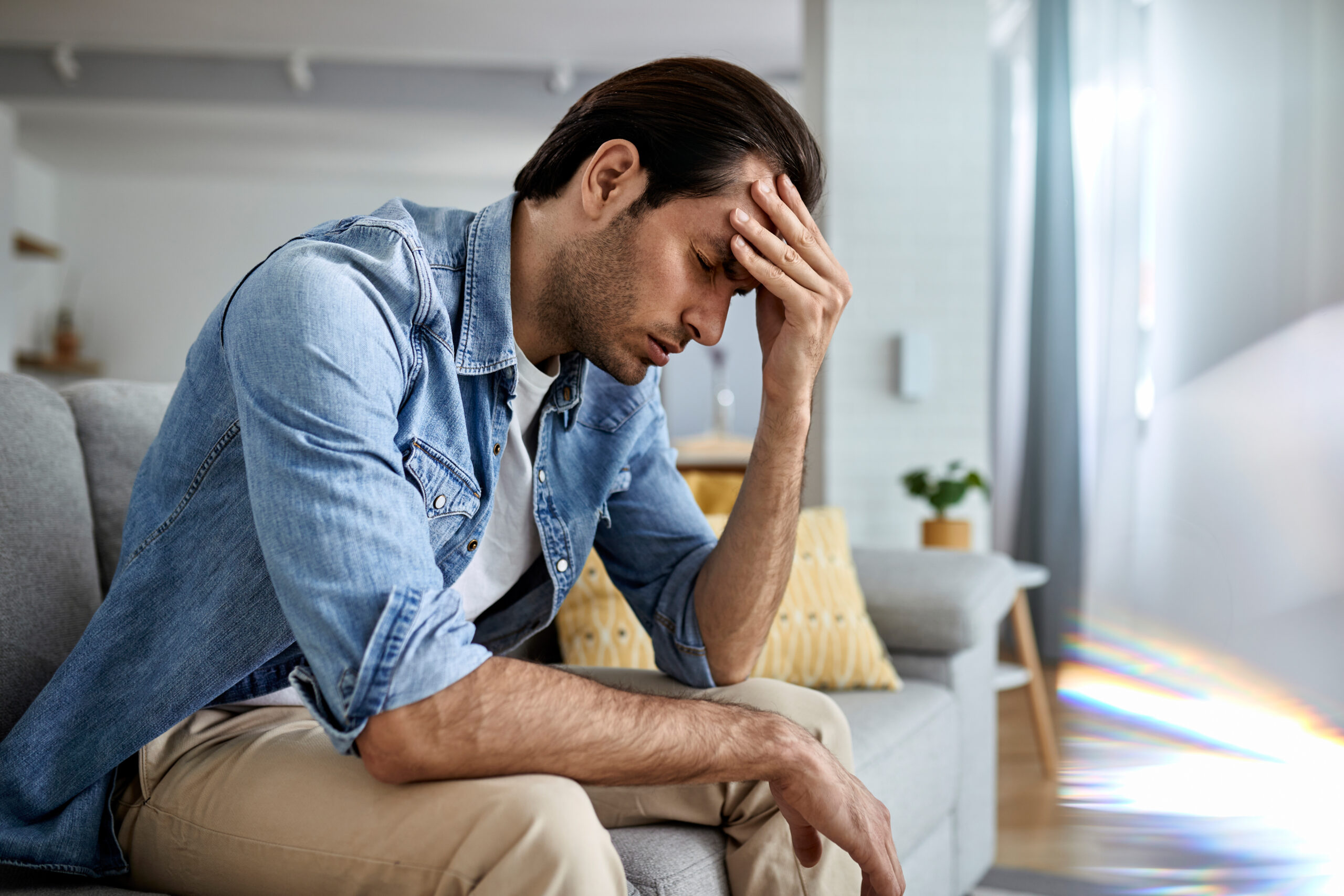
Anxiety disorders are among the most common mental health conditions today. They can cause persistent worry, restlessness, sleep disturbances, and difficulty concentrating. To manage these symptoms, healthcare professionals often recommend therapy, lifestyle changes, and in some cases anxiety medication. These medications can help regulate brain chemistry and improve emotional balance.
However, like most medications, they may occasionally cause side effects in some individuals. One side effect that some patients report is the development of skin related issues.
While this is not very common, certain people may experience skin reactions after starting a new medication. These reactions can range from mild irritation to noticeable rashes. Understanding why these skin changes happen can help patients respond quickly and seek the right medical guidance.
1. How Anxiety Medication May Affect The Skin?
Medications work by interacting with different systems in the body. Although their primary purpose is to manage anxiety symptoms, they can sometimes affect other organs, including the skin. In certain situations, the body may react to specific ingredients present in the medication. When the immune system reacts to a drug, it may produce visible symptoms on the skin. One of the most common reactions is known as a medication rash.
This type of rash may appear as red spots, patches, or small bumps that develop after taking a new medication. In many cases, these rashes are mild and temporary. The body may gradually adjust to the medication, causing the symptoms to fade over time. However, if the rash spreads quickly or causes severe discomfort, medical attention may be necessary.
2. Common Skin Symptoms Linked To Medication
Skin reactions can vary depending on the individual and how their body responds to the medication. Some people may experience only minor irritation, while others may notice more visible changes. Common symptoms may include:
- Red or pink rashes appearing on the skin.
- Itching or mild burning sensations.
- Small bumps or raised patches.
- Dry or peeling skin.
- Mild swelling in the affected area.
These symptoms are often described as a medication rash, which occurs when the body reacts to a particular substance in the drug. Although these symptoms may not always be serious, they should still be monitored carefully. If the rash continues to worsen or does not disappear after some time, it is important to consult a doctor.
3. Understanding Drug Allergies
In some cases, skin reactions may occur because of drug allergies. A drug allergy happens when the immune system mistakenly identifies a medication as harmful and triggers an allergic reaction. Unlike mild side effects, drug allergies can cause more noticeable symptoms that require medical attention. These reactions can occur shortly after taking the medication or sometimes after repeated doses. Some signs of drug allergies include:
- Raised hives on the skin.
- Severe itching.
- Swelling around the face, lips, or eyes.
- Widespread redness or rash.
These symptoms should never be ignored. A healthcare professional can evaluate the reaction and determine whether the medication needs to be stopped or replaced with another option.
4. Factors That May Increase The Risk
Not everyone who takes anxiety medication will experience skin problems. However, certain factors can increase the likelihood of developing a reaction. Some possible risk factors include:
- A history of allergies
- Sensitive or easily irritated skin
- Previous reactions to medications
- Taking multiple medications at the same time
- Existing skin conditions
People with these factors may be slightly more prone to developing a medication rash or other skin related reactions after starting a new treatment.
5. When To Seek Medical Advice
If someone notices unusual skin symptoms after starting medication, it is important not to ignore them. Even mild rashes should be discussed with a healthcare professional to ensure the medication is safe to continue. Individuals undergoing anxiety treatment in Coimbatore are usually advised to report any new symptoms to their doctor as soon as possible.
Early communication allows doctors to evaluate whether the medication is causing the reaction and make adjustments if needed. In cases where the skin reaction becomes severe or persistent, consulting the best skin specialist in Coimbatore may also be helpful.
Dermatology experts can carefully examine the skin condition and suggest appropriate treatment to relieve irritation.
6. Managing Mild Skin Reactions
While professional medical advice is essential, certain simple steps may help reduce discomfort caused by mild skin reactions. Some helpful measures include:
- Avoid scratching the affected area.
- Keep the skin clean and dry.
- Wear loose and comfortable clothing.
- Avoid harsh skincare products.
- Stay hydrated to support healthy skin.
These steps may help reduce irritation while waiting for proper medical guidance.
Conclusion
Medications used to treat anxiety can play an important role in improving mental well being and daily functioning. However, in some cases anxiety medication may cause mild side effects, including skin reactions. Conditions such as medication rash may occur when the body reacts to certain ingredients in a drug, while more serious reactions may be linked to drug allergies.
People receiving anxiety treatment in Coimbatore should always pay attention to new symptoms that appear after starting medication. Seeking guidance from a healthcare professional, and if necessary consulting the best skin specialist in Coimbatore, can help ensure that both mental health and skin health are managed safely.
With proper monitoring and timely medical care, most medication related skin reactions can be addressed effectively while continuing to support long term anxiety management.