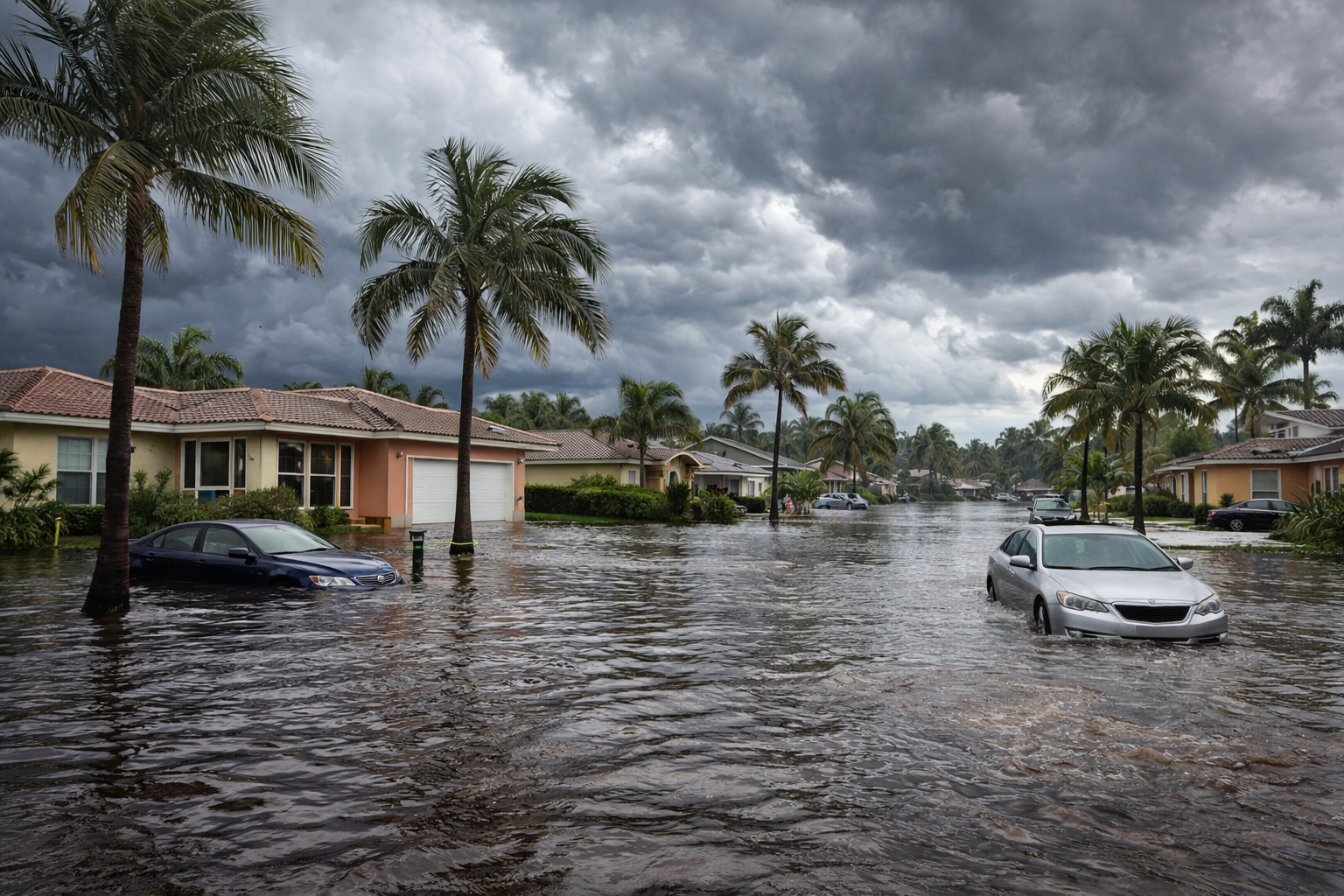
Flooding has become an increasing concern for homeowners in South Florida. With rising sea levels, stronger storms, and frequent heavy rainfall, the region is more vulnerable to flooding than ever before. Understanding the risks and learning how to prepare can help homeowners protect their property, finances, and safety.
For residents living in areas such as Miami, Fort Lauderdale, and West Palm Beach, flooding awareness is not just helpful—it is essential. This guide explains the causes of flooding in South Florida and the steps every homeowner should take to stay prepared.
Why Flooding Is a Major Issue in South Florida
South Florida’s geography makes it particularly prone to flooding. Much of the region sits just a few feet above sea level. Combined with the area’s flat terrain and dense urban development, water often has nowhere to go during heavy rainstorms.
Several factors contribute to the flooding risk:
Rising Sea Levels
Sea levels along Florida’s coast have been gradually increasing due to climate change. Higher sea levels allow ocean water to push further inland, increasing the risk of coastal flooding.
Heavy Rainfall and Tropical Storms
South Florida regularly experiences intense rainfall, especially during hurricane season. Tropical storms and hurricanes can dump massive amounts of water within a short period, overwhelming drainage systems.
Poor Drainage in Urban Areas
Urban development replaces natural soil with concrete roads, parking lots, and buildings. These surfaces prevent water from soaking into the ground, causing it to accumulate quickly and create flash floods.
King Tides
“King tides” are exceptionally high tides that occur several times a year. In South Florida, king tides can cause flooding even on sunny days when seawater flows onto streets and into neighborhoods.
The Financial Impact of Flooding
Flooding can cause severe damage to homes and personal belongings. Water damage often affects flooring, electrical systems, appliances, and structural components of a house.
Repairing flood damage can be extremely expensive. In many cases, homeowners insurance policies do not cover flooding. Instead, separate flood insurance is required.
The Federal Emergency Management Agency (FEMA) reports that just one inch of water inside a home can cause tens of thousands of dollars in damage. This is why flood preparedness and insurance coverage are so important for homeowners in flood-prone areas.
Understanding Flood Zones
Flood zones are geographic areas identified based on their risk of flooding. These zones are determined by FEMA and are shown on Flood Insurance Rate Maps (FIRMs).
Common flood zone categories include:
-
High-risk zones: Areas with a 1% annual chance of flooding.
-
Moderate-risk zones: Areas with some flood risk but lower probability.
-
Low-risk zones: Areas where flooding is possible but less frequent.
Homeowners living in high-risk zones are often required by lenders to carry flood insurance. However, flooding can occur anywhere, so even properties in low-risk zones should consider coverage.
Signs Your Home May Be at Risk
Some warning signs can indicate that your home is vulnerable to flooding. Paying attention to these indicators can help you take preventive measures.
Common signs include:
-
Water pooling in your yard after heavy rain
-
Slow drainage in nearby streets
-
Homes built on low-lying land
-
Cracks in the foundation allowing water intrusion
-
Previous flooding incidents in the neighborhood
If your property shows these signs, it may be time to invest in flood prevention measures.
How Homeowners Can Prepare for Flooding
While floods cannot always be prevented, homeowners can take several steps to reduce damage and improve safety.
1. Elevate Important Systems
Electrical panels, air-conditioning units, and water heaters should be elevated above potential flood levels whenever possible.
2. Install Flood Barriers
Flood barriers and sandbags can help keep water away from doors and windows during storms.
3. Improve Drainage Around Your Property
Proper landscaping and drainage systems can redirect water away from your home’s foundation.
4. Seal Foundation Cracks
Small cracks in walls or foundations can allow water to enter during heavy rain. Sealing these openings can reduce the risk of water damage.
5. Keep Gutters and Drains Clean
Clogged gutters can cause rainwater to overflow and pool near your home. Regular cleaning ensures water flows away properly.
The Importance of Flood Insurance
Flood insurance provides financial protection against damage caused by flooding. Standard homeowners insurance typically does not cover flood-related losses.
Policies are often available through the National Flood Insurance Program (NFIP) or private insurance companies.
Flood insurance can cover:
-
Structural damage to the home
-
Electrical and plumbing systems
-
Appliances and built-in fixtures
-
Personal belongings such as furniture
Homeowners should review their policies carefully to understand coverage limits and exclusions.
Emergency Preparedness for Flooding
In addition to protecting property, homeowners should prepare their families for potential emergencies.
Important safety steps include:
-
Creating a household emergency plan
-
Keeping emergency supplies such as food, water, and flashlights
-
Monitoring weather alerts and flood warnings
-
Knowing evacuation routes in advance
-
Protecting important documents in waterproof containers
Preparedness can make a significant difference during a flooding event.
Community Efforts to Reduce Flood Risk
Local governments across South Florida are working to improve flood management systems. Cities are investing in infrastructure projects such as:
-
Upgrading drainage systems
-
Installing stormwater pumps
-
Raising roads in flood-prone neighborhoods
-
Restoring wetlands to absorb excess water
These efforts help reduce flooding risks, but homeowner awareness and preparation remain essential.
Climate Change and the Future of Flooding
Experts believe that climate change will continue to increase flooding risks in coastal regions like South Florida. Rising sea levels and more intense storms may lead to more frequent flooding events in the future.
As a result, homeowners should view flood preparedness as a long-term responsibility rather than a one-time action.
Planning ahead can help protect both property values and community safety.
Final Thoughts
Flooding awareness is crucial for homeowners in South Florida. The region’s unique geography and changing climate make it one of the most flood-vulnerable areas in the United States.
By understanding flood risks, maintaining proper insurance coverage, and taking preventive steps around the home, residents can significantly reduce potential damage.
Preparation, education, and proactive planning are the keys to protecting homes and families from the growing threat of flooding.